From cataract and keratoconus to Fuchs’ dystrophy and dry eye — what you notice, what it may mean, and what can be done.
Each guide explains the symptoms, how it is diagnosed and the treatments that help.
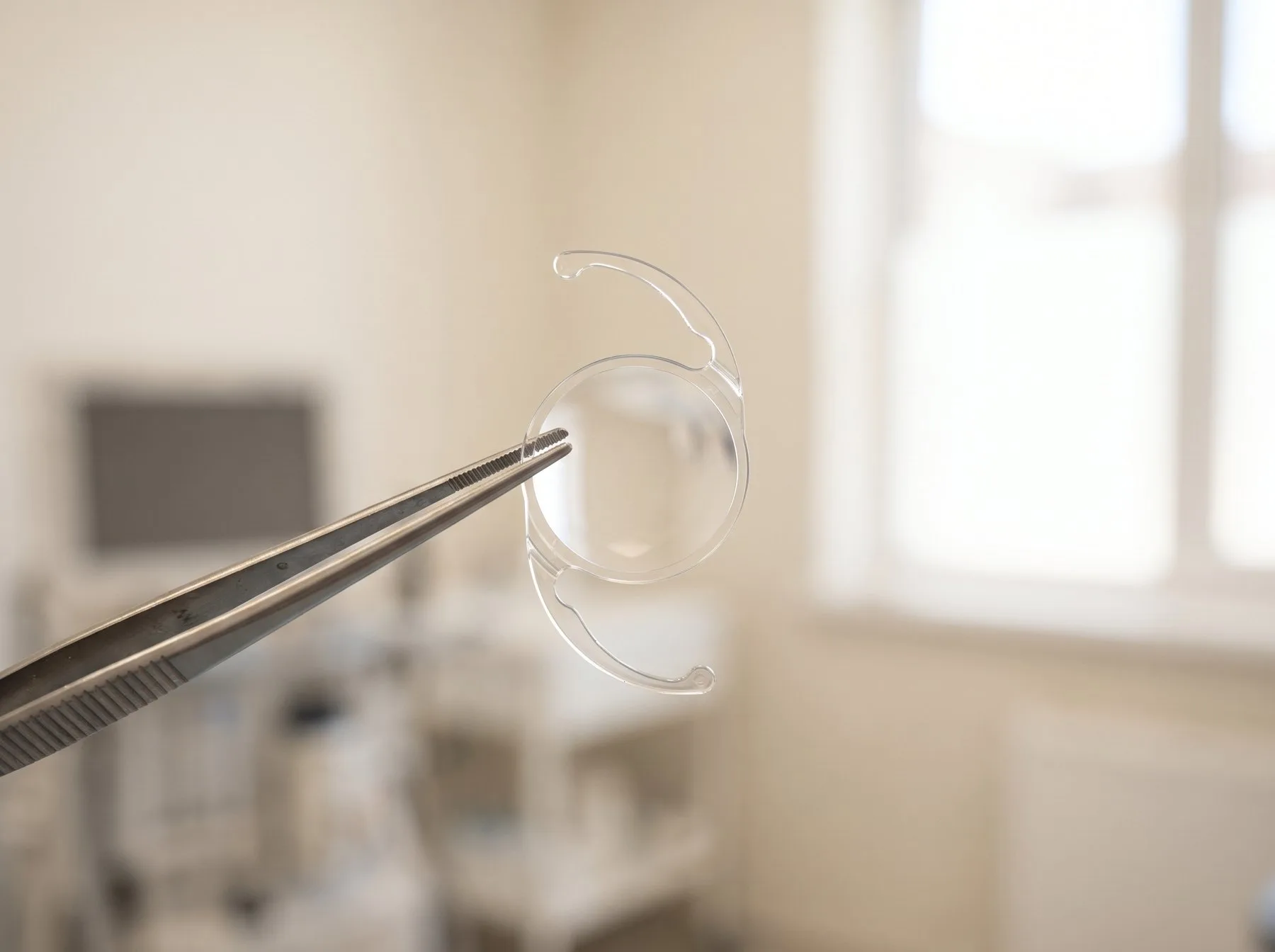
Cloudy, dim or glary vision as the eye’s own lens clouds with age. Surgery replaces it with a clear implant.
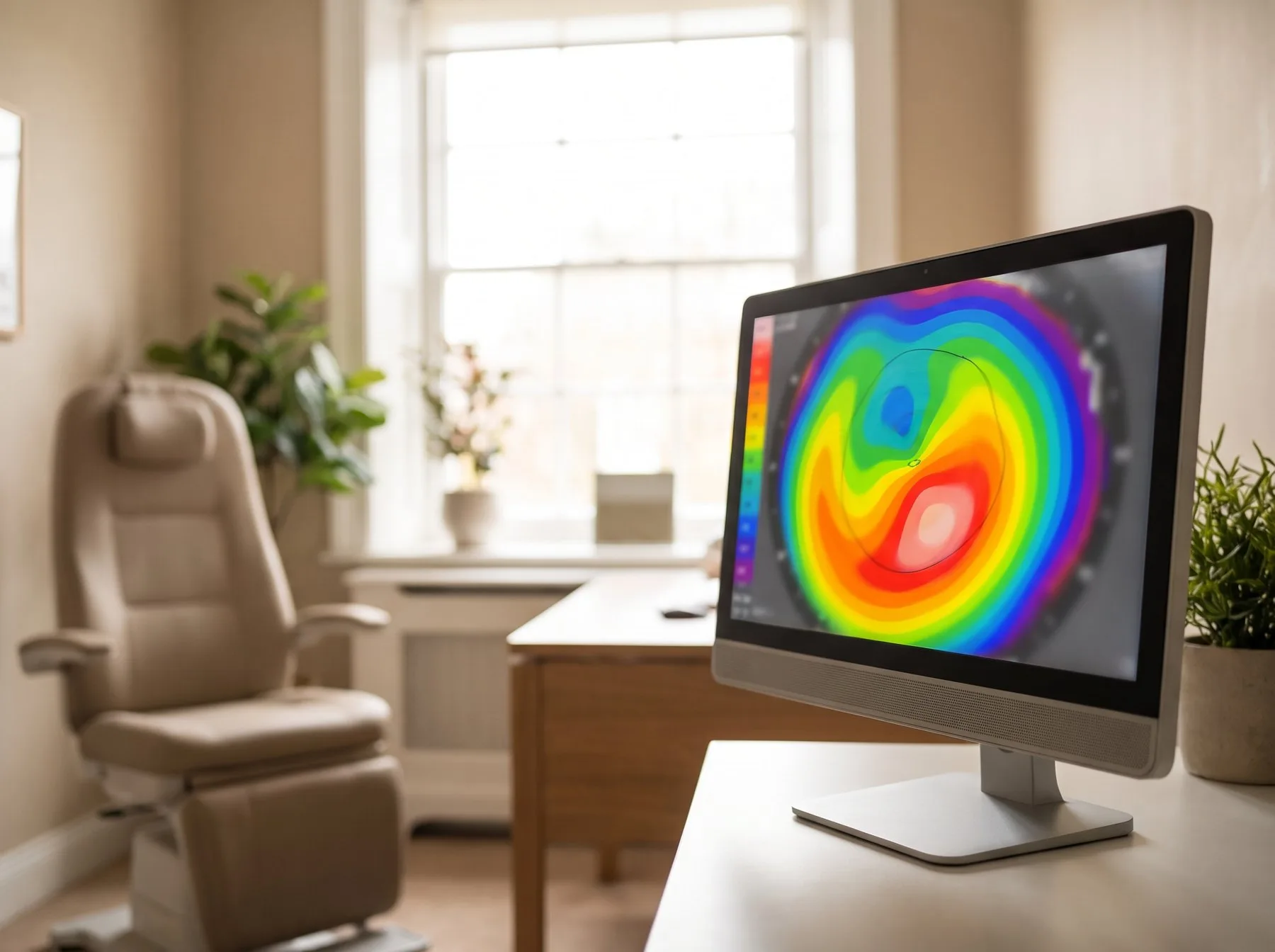
A thinning, cone-shaped cornea that blurs and distorts vision — in teenagers as well as adults.
Morning blur and glare as the inner pump layer of the cornea fails — often treated with a DMEK graft.
Gritty, burning or watery eyes from the tear film and eyelid glands, including demodex.
When glasses or contact lenses hold you back — laser, implantable lenses or lens exchange.
After injury, ulcers or infection — from intensive drops to amniotic membrane and grafts.
A fleshy growth from the white of the eye onto the cornea, removed with a graft to lower recurrence.
Reading glasses creeping in after 45 — options include lens exchange with extended-depth lenses.
Keratoconus and other corneal problems in children, seen with the whole family.
Usually a cataract — and today’s lens implants can also correct glasses.
Laser, implantable contact lenses or lens exchange — chosen for your eyes.
Partial-thickness grafts such as DMEK replace only the layer that has failed.
Dry eye, blepharitis and MGD — properly assessed, then treated in steps.
A fresh look at a diagnosis or a planned operation, in person or by video.
“Mr Barua was very thorough and knowledgeable and carefully explained all my options, as well as the pros and cons of each. There was no hard sell.”
“Mr Ankur Barua is a wonderful surgeon. I was very happy to have a second corneal graft under his care, and I have complete confidence in his skill and knowledge.”
“He was calm, reassuring, extremely professional and took the time to explain everything properly to us. We never felt rushed.”

Send the form and the team will call you back to arrange a time in Birmingham, Coventry, Manchester or by video.